
The Challenge: A Deeper Look
Introduction: The Uncomfortable Reality of Pregnancy Swelling
As you progress through your pregnancy, you expect your belly to grow, but you might be surprised to find your feet and ankles growing, too. This swelling, known as edema, is one of the most common and uncomfortable side effects of pregnancy, affecting up to 80% of expectant mothers, particularly in the third trimester. It can make your favorite shoes feel like torture devices and leave you feeling heavy and uncomfortable. While usually harmless, this puffiness can be a source of significant discomfort and, in some cases, a sign of a more serious issue.
Why does it happen, and more importantly, what can you do about it? This comprehensive guide will walk you through the causes of swollen feet during pregnancy, provide safe and effective prevention tips and natural remedies, and help you understand the critical difference between normal edema and a potential warning sign like preeclampsia. With the right knowledge, you can manage this common symptom and enjoy your final trimester with more comfort and peace of mind.
Your Path Forward: Practical Solutions
Why Do Feet Swell During Pregnancy? Understanding Edema
Pregnancy-related swelling is not just a random annoyance; it’s the result of several physiological changes your body undergoes to support your growing baby. Understanding these causes is the first step to finding relief.
- Increased Body Fluids: During pregnancy, your body produces approximately 50% more blood and body fluids to meet the needs of the developing baby. This extra fluid is necessary for softening the body and preparing it for delivery, but it can also accumulate in your tissues, particularly in your lower extremities due to gravity.
- Pressure from the Growing Uterus: As your uterus expands, it puts pressure on your pelvic veins and your vena cava (the large vein on the right side of your body that returns blood from your lower limbs to the heart). This pressure slows the return of blood from your legs, causing it to pool and forcing fluid from your veins into the tissues of your feet and ankles.
- Hormonal Changes: Pregnancy hormones can also play a part by causing the body to retain more sodium and water.
- Environmental Factors: Hot weather and standing for long periods can exacerbate swelling.
Safe and Effective Prevention Tips for Swollen Feet
While you may not be able to eliminate swelling completely, you can significantly reduce it by incorporating these simple, safe habits into your daily routine.
1. Get Moving: The Power of Gentle Exercise
Movement is one of the most effective ways to combat fluid retention. It helps to pump fluid from your extremities back toward your heart.
- Daily Walks: Aim for a 20-30 minute walk each day. It’s low-impact and boosts circulation.
- Swimming or Water Aerobics: Water provides gentle compression on your tissues and the feeling of weightlessness can provide immense relief.
- Ankle Pumps and Rotations: Throughout the day, especially if you sit at a desk, frequently flex and point your feet, then rotate your ankles in circles. This simple exercise can be done anywhere and prevents blood from pooling.
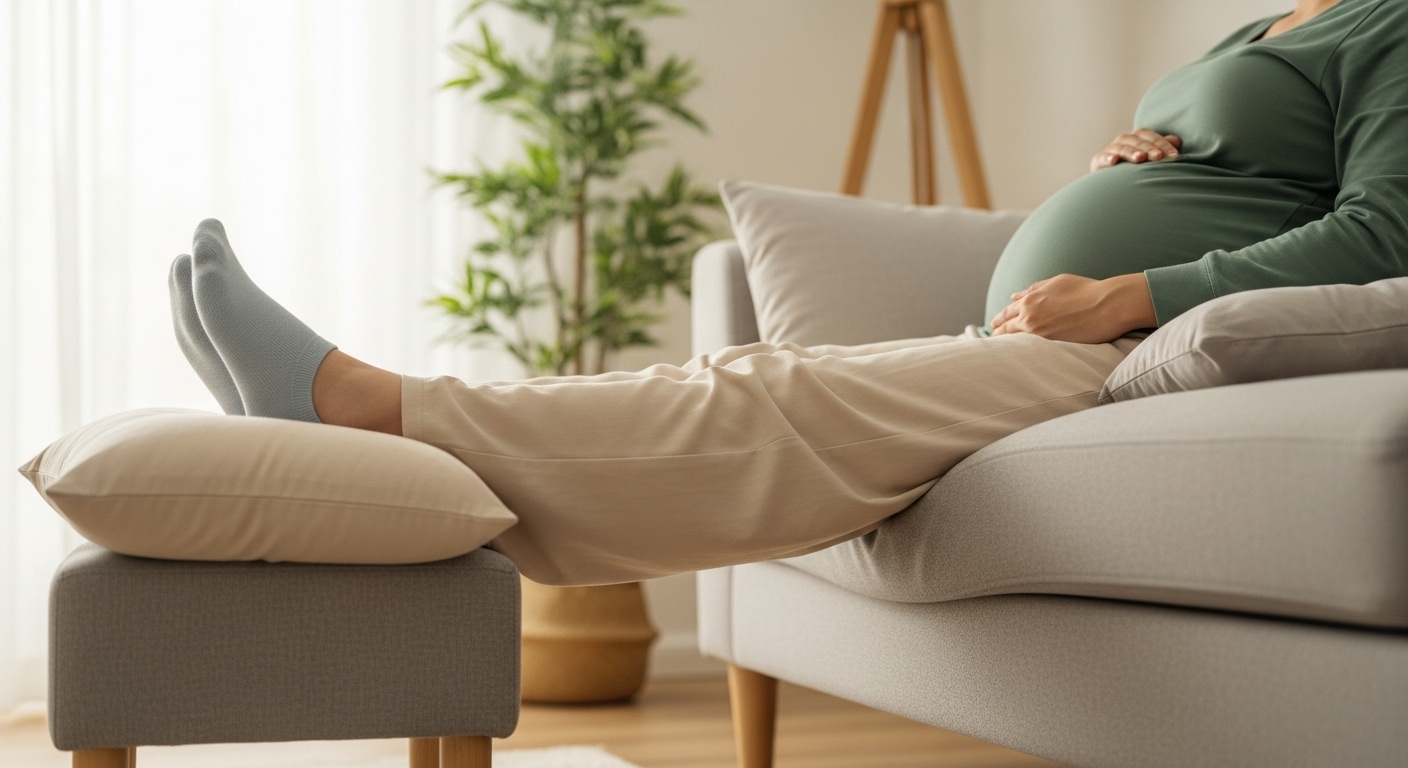
2. Elevate Your Feet (and Do It Right)
Gravity is your biggest enemy when it comes to swelling. The simple act of elevating your feet can provide immediate relief.
- How to Do It: Lie down and prop your feet up on pillows so they are above the level of your heart.
- When to Do It: Aim for several 20-minute sessions throughout the day, especially in the evening when swelling is often at its worst.
3. Hydration: Drink Water to Lose Water
It sounds counterintuitive, but drinking more water can help reduce swelling. When your body is dehydrated, it tends to hold on to fluids. Staying well-hydrated helps your system flush out excess sodium and waste products, reducing retention.
- Your Goal: Aim for at least 8-10 glasses (about 2.5 liters) of water per day. Keep a water bottle with you at all times as a visual reminder.
4. Mind Your Diet: The Role of Sodium and Potassium
Your diet can have a direct impact on fluid retention.
- Limit Sodium: Avoid highly processed foods, canned soups, and fast food, which are often loaded with salt. Don't add extra salt to your meals.
- Boost Potassium: Potassium helps your body balance its fluid levels. Incorporate potassium-rich foods like bananas, sweet potatoes, avocados, spinach, and salmon into your diet.
The Reward: Embracing the Benefits
5. Choose Comfortable, Supportive Footwear
Your favorite stylish shoes may need to take a break for a few months. Comfort is key.
- Avoid High Heels: They put more pressure on the balls of your feet and can shorten your calf muscles, impairing circulation.
- Opt for Supportive Shoes: Choose shoes with good arch support. You may need to go up a half or full size to accommodate swelling.
- Don't Wear Tight Straps: Avoid shoes with tight straps or bands that can dig into your swollen feet and further restrict circulation.
6. Consider Compression Socks
Compression socks or stockings apply gentle, graduated pressure to your legs, which helps prevent fluid from accumulating in your ankles and feet. They are particularly helpful if you have a job that requires you to stand or sit for long periods.
- When to Wear Them: Put them on first thing in the morning, before swelling has a chance to build up.
- What to Look For: Choose a mild compression level (15-20 mmHg) unless your doctor recommends a higher level.
7. Sleep on Your Left Side
This is a small change that can make a big difference. Sleeping on your left side takes the pressure off your inferior vena cava, the large vein on the right side of your body that carries deoxygenated blood from the lower half of your body back to your heart. Improving blood flow through this vein helps reduce swelling in your legs and feet.
8. Cool Foot Soaks
Immersing your feet in cool water can be incredibly soothing and can help reduce swelling and inflammation. A simple 15-20 minute foot soak at the end of the day can provide significant relief.
When to Worry: Normal Swelling vs. Preeclampsia
While most swelling is normal, it's crucial to know the signs of preeclampsia, a serious pregnancy complication characterized by high blood pressure and signs of damage to another organ system, most often the liver and kidneys. Preeclampsia usually begins after 20 weeks of pregnancy in women whose blood pressure had been normal.
Signs of Normal Pregnancy Swelling (Edema):
- Gradual swelling in both feet and ankles.
- Worsens at the end of the day or in hot weather.
- Improves with elevation and rest.
- Swelling is "pitting" (if you press a finger into the skin, an indentation remains for a few seconds).
Warning Signs of Preeclampsia:
Call your doctor immediately if you experience any of the following symptoms along with swelling:
- Sudden or severe swelling, especially in your face, around your eyes, or in your hands.
- A severe headache that won't go away.
- Vision changes, such as seeing spots, blurriness, or light sensitivity.
- Pain in the upper right abdomen, under your ribs.
- Nausea or vomiting in the second half of pregnancy.
- Shortness of breath.
- Sudden, rapid weight gain not related to eating habits.
Preeclampsia requires immediate medical attention to protect both you and your baby. Never hesitate to call your provider if you are concerned.
Conclusion: Taking Control of Your Comfort
Swollen feet during pregnancy may be a common rite of passage, but you don't have to suffer through it without relief. By integrating these simple, natural prevention tips into your daily life—from elevating your feet and staying hydrated to gentle exercise and a balanced diet—you can significantly reduce discomfort and improve your overall well-being. Always remember to listen to your body and be aware of the warning signs of more serious conditions. By being proactive and informed, you can navigate the final stretch of your pregnancy with more comfort and confidence, ready to step into motherhood on happy, healthy feet.