
The Challenge: A Deeper Look
Introduction: When Your Favorite Foods Become Your Worst Enemy
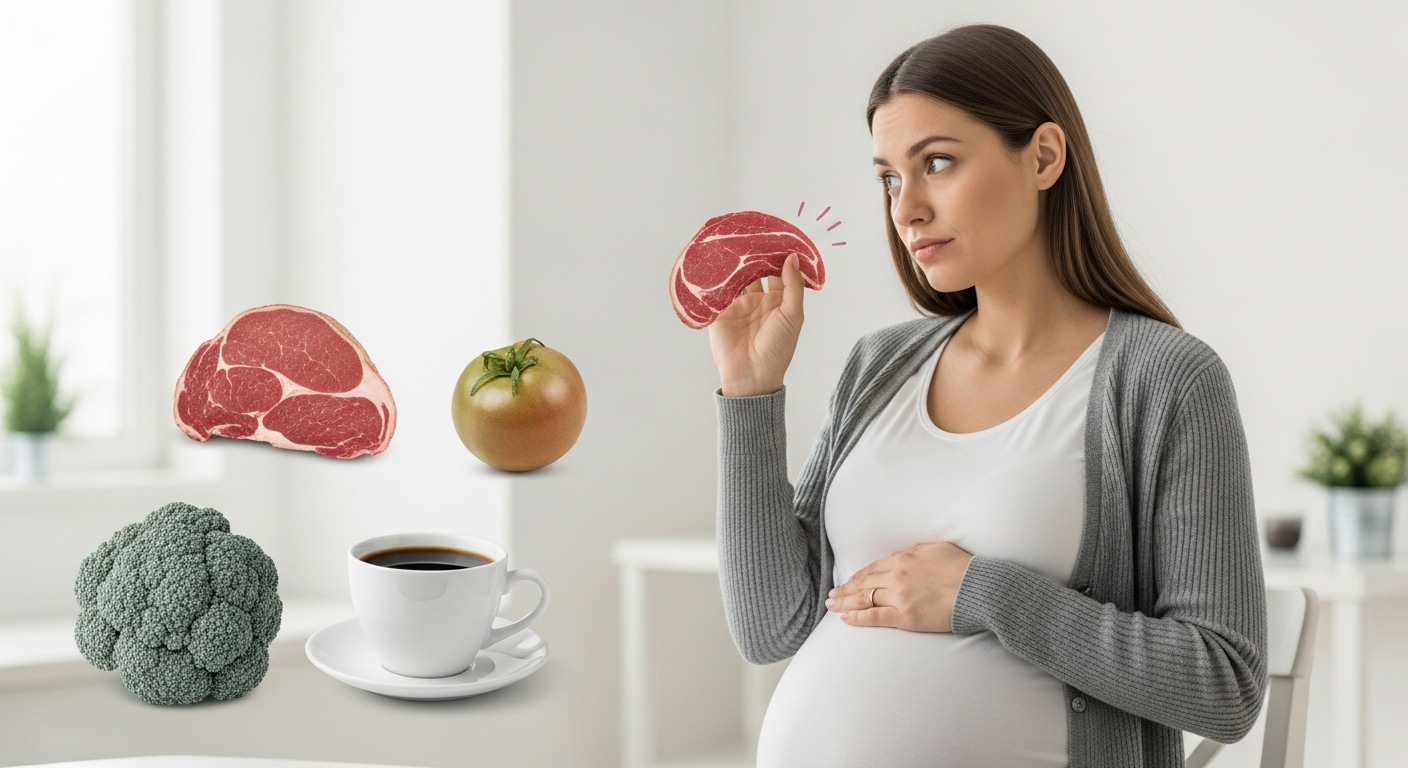
Pregnancy is a journey filled with new experiences, but one of the most baffling is the sudden and intense dislike for foods you once adored. One day you’re enjoying your morning coffee, and the next, the mere smell of it sends you running. This is pregnancy food aversion, a powerful and often frustrating symptom that affects more than half of all expectant mothers. It’s more than simple pickiness; it’s a visceral, biological response that can make mealtimes a daily challenge.
Many women feel guilty or confused by these sudden changes, worrying if they're getting enough nutrition for their baby when all they can stomach is plain toast. If this sounds familiar, you are not alone. In this guide, we'll dive deep into the science behind food aversions, explore common triggers, and provide practical, compassionate strategies to help you navigate mealtimes and maintain a healthy diet throughout your pregnancy.
Your Path Forward: Practical Solutions
What Causes Food Aversions During Pregnancy?
While the exact science is still being studied, researchers believe food aversions are a complex interplay of hormonal changes, heightened senses, and even protective evolutionary instincts. Let's break down the primary causes:
1. The Surge of Pregnancy Hormones
Hormones are the main drivers behind most early pregnancy symptoms, and food aversions are no exception.
- hCG (Human Chorionic Gonadotropin): This is the hormone detected in pregnancy tests. Its levels double every few days in the first trimester, peaking around week 9. This rapid rise is strongly linked to nausea and morning sickness, which often go hand-in-hand with food aversions. When you feel nauseous, your brain naturally creates an aversion to the foods you associate with that feeling.
- Estrogen: Levels of estrogen also soar during pregnancy, which is believed to significantly heighten your sense of smell. This can make previously normal food odors seem intense and unpleasant, triggering an aversion.
2. A Hyper-Sensitive Sense of Smell
Many pregnant women report developing a "super-sniffer." This heightened sense of smell, or hyperosmia, is a common symptom. The aroma of brewing coffee, sizzling garlic, or grilling meat can become so overpowering that it creates a strong aversion, even if you're not in the same room. Your body becomes extra sensitive to strong or pungent odors, which are often found in cooked meats, coffee, and spices.
3. An Evolutionary Protective Instinct
Some scientists theorize that food aversions are an ancient, protective mechanism. The theory suggests that during the first trimester—a critical period for fetal organ development—the body develops aversions to foods that have a higher risk of carrying bacteria or toxins.
- Meat and Eggs: Historically, these could carry pathogens if not properly cooked.
- Bitter Vegetables: In nature, bitterness can sometimes signal the presence of toxins.
- Alcohol and Coffee: Substances that could potentially harm fetal development.
While our modern food supply is much safer, this primal instinct may still be at play, guiding you away from anything your body flags as a potential risk.
Common Pregnancy Food Aversions
While any food can become a trigger, some aversions are more common than others. These often include foods with strong smells or complex textures.
- Meat (especially poultry and red meat): The smell of it cooking is a very common trigger.
- Eggs: The texture or sulfurous smell can be off-putting.
- Coffee: The rich, strong aroma can become nauseating.
- Garlic and Onions: Their pungent smells are often too intense.
- Spicy or Heavily Seasoned Foods: These can be overwhelming for a sensitive digestive system.
- Leafy Greens: Some women develop an aversion to the bitter taste of greens like kale or rocket.
Are Food Cravings and Aversions Linked?
Yes, they are two sides of the same hormonal coin. While an aversion makes you repulsed by a food, a craving is an intense desire for a specific food. It's not uncommon to suddenly crave salty crisps while being unable to stomach the thought of chicken. Both are driven by the same hormonal shifts and heightened senses. Don't be surprised if you experience both simultaneously!
The Reward: Embracing the Benefits
How to Manage Food Aversions: Practical Tips for a Healthy Pregnancy
Managing food aversions is less about forcing yourself to eat and more about finding clever, gentle ways to get the nutrients you and your baby need. Here are strategies that can help:
1. Don't Force It—Listen to Your Body
If the thought of a certain food makes you feel ill, don't force yourself to eat it. Forcing it will only strengthen the negative association. Your body is sending you strong signals; for now, it's okay to listen. This phase is usually temporary and most intense during the first trimester.
2. Find Smart Nutrient Swaps
If you develop an aversion to a key food group, focus on finding tolerable alternatives to ensure you're still getting the nutrients you need.
| If You Can't Stand... | Try These Alternatives... |
|---|---|
| Meat (for Protein/Iron) | Beans, lentils, chickpeas, tofu, quinoa, Greek yogurt, nuts, seeds. |
| Eggs (for Protein/Choline) | Dairy products, soy, lean meats (if tolerated), beans. |
| Leafy Greens (for Folate/Iron) | Fortified cereals, lentils, avocados, oranges, broccoli (steamed). |
| Dairy (for Calcium) | Fortified plant milks (almond, soy, oat), leafy greens, tofu, sardines. |
3. Embrace Cold and Bland Foods
Hot foods release more smells, which can be a major trigger. Cold or room-temperature foods are often much easier to tolerate.
- Smoothies: A great way to pack in fruits, vegetables (like spinach, which is often tasteless in a smoothie), protein powder, and healthy fats (like avocado or chia seeds).
- Yogurt and Cottage Cheese: Excellent sources of protein and calcium.
- Salads: If you can tolerate them, they are a great way to get in fresh veggies.
- Bland Staples: Plain toast, crackers, rice, and pasta can be lifesavers when nothing else sounds good.
4. "Hide" Nutritious Foods
You can often sneak healthy foods past your sensitive nose and palate.
- Blend It In: Add spinach to a fruit smoothie, or blend white beans or cauliflower into a soup or sauce. You'll get the nutrients without the strong taste or texture.
- Mince It Small: Finely mincing meat or vegetables and mixing them into a dish like a pasta sauce or casserole can make them less noticeable.
5. Manage Your Environment
Since smell is a major trigger, controlling your environment can make a big difference.
- Ventilate: Open windows or use the exhaust fan when cooking.
- Delegate Cooking: If possible, ask your partner or a family member to handle cooking strong-smelling foods.
- Opt for "Low-Odor" Cooking: Baking or using a slow cooker often produces fewer lingering smells than frying or grilling.
6. Stay Hydrated Creatively
If you develop an aversion to plain water, it's crucial to find other ways to stay hydrated.
- Try sparkling water with a squeeze of lemon or lime.
- Sip on decaffeinated herbal teas like peppermint or ginger (which also help with nausea).
- Diluted fruit juice or clear broths can also be good options.
When Do Food Aversions Typically End?
For most women, food aversions are most intense during the first trimester, when hCG levels are at their peak. They often begin to subside as you enter the second trimester (around weeks 12-14). However, for some women, certain aversions can last throughout the entire pregnancy. Be patient with yourself—your body is doing what it needs to do.
When to Talk to Your Doctor
While food aversions are normal, you should speak with your OB-GYN or midwife if:
- Your aversions are so severe that you are losing weight.
- You are unable to keep any food or liquids down (a sign of a more serious condition called hyperemesis gravidarum).
- You are worried you are not getting enough key nutrients.
- Your aversions are causing you significant emotional distress.
Your provider can offer guidance, check for nutritional deficiencies, and ensure that you and your baby are healthy.
Conclusion: Be Kind to Yourself
Navigating food aversions is a challenging but temporary part of the pregnancy journey for most. Instead of fighting against your body, try to work with it. Focus on what you *can* eat, find healthy swaps for what you can't, and give yourself grace. This is not about being a "perfect" eater; it's about doing the best you can to nourish yourself and your growing baby during a time of immense change. Trust your body, communicate your needs, and remember that this phase will pass.